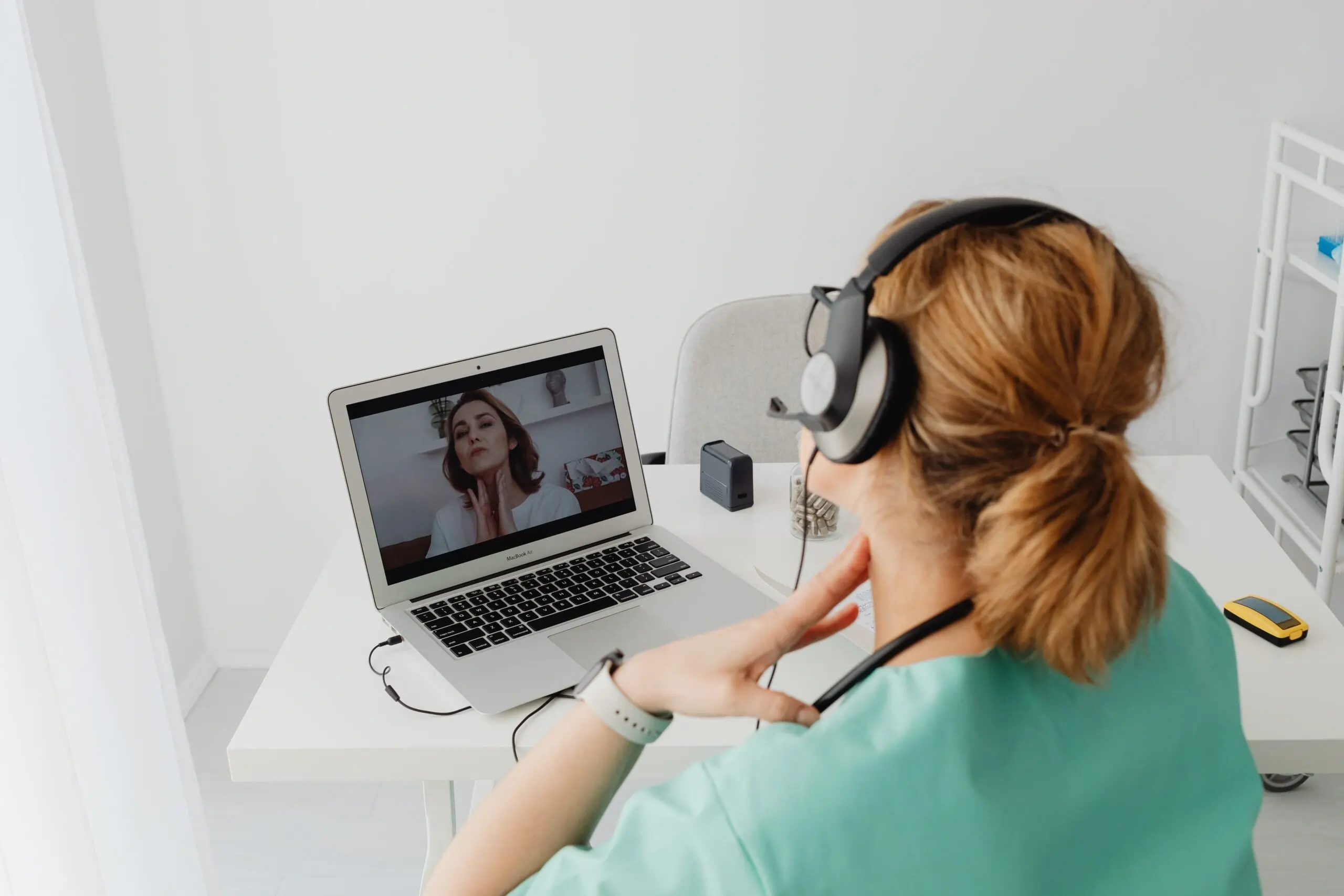


Among the many hurdles that digital healthcare faces, one of the most persistent is often psychological: convincing patients that regular, off-clinic engagement is the backbone of their long-term health. There is a high chance that your medical facility currently faces the same fate.
And there is no wonder in it, yet there is still a paradox. Patients want to see their health improve day by day. Meanwhile, they are rarely prepared to sacrifice their time to track vitals, follow complex post-visit protocols, or maintain punctual interaction with a telehealth interface. But it’s hard to blame them. They are trying to weave health management into the fabric of an already overwhelmed, fast-paced lifestyle.
No one desires to have a second job as a patient. People just want a health partner that fits into their routine.
This raises a critical question: How do you deliver timely reminders for appointments and medications, offer personalized self-care insights, and maintain a seamless, two-way dialogue about health without becoming a nuisance?
The reality in 2026 is that the only sustainable path forward for a growing healthcare organization is to adopt advanced, automated patient engagement software solutions. Thus, today, we’ll explore the best practices for patient engagement in 2026, highlight real-world examples from Corpsoft Solutions, and show how digital platforms can boost healthcare facilities’ efficiency, improve patient retention, and deliver better health outcomes.
What is patient engagement software in telehealth platforms?
Patient engagement platforms are integrated digital solutions that help patients and healthcare teams stay connected and keep care on track. They guide the whole patient journey, before, during, and after virtual visits by using these components:
- Patient portals with access to medical records, test results, and care plans.
- Messages and reminders to support adherence and reduce no-shows.
- Patient education tools to provide step-by-step guidance.
- Remote monitoring tools for symptom tracking and digital check-ins.
- AI-driven engagement features for triage and in-depth personalization.
From a business perspective, a digital patient engagement platform improves patient adherence, satisfaction, and retention. In the long run, it improves care coordination, higher capacity utilization, and more predictable outcomes across patient populations.
Why patient engagement is critical for telehealth in 2026
Telehealth changes the care delivery. In 2026, the effectiveness of any telehealth platform depends on post-visit engagement. If patients won’t use your platform regularly, they can miss follow-ups, skip check-ins, or drop out entirely. So, patients lose continuity of care and early signals of complications, while the platform loses clinical relevance, measurable outcomes, and long-term retention. Without sustained engagement, telehealth becomes a one-off interaction instead of an ongoing care model.
But when engagement works, telehealth turns into a continuous, outcome-focused care experience. When patients receive timely reminders and relevant guidance, they are more likely to follow care plans. AI shifts patient engagement strategy from reactive to predictive. By analyzing every bit of behavioral and clinical data, AI-driven systems can identify patients who are more likely to refuse follow-up protocols, so doctors can intervene to ensure that a patient will still take care of their health.
8 key features of effective patient engagement software solutions
Today, the user-friendliness of the service is valued the most. Especially, it relates to the platforms aimed at seniors. That’s why the goal is to combine modern functionality with a clear, intuitive user experience that works for people of all ages and technical skill levels.
This approach ensures the platform supports patients who need complex care and advanced features, while remaining simple and accessible for those who prefer straightforward, easy-to-use tools.
Modern patient engagement software has to work in real environments, with staff constraints, and strict regulatory requirements. Let’s examine 8 crucial features for any patient engagement solution.
1.Digital onboarding and self-service
Digital onboarding sets the stage for the entire patient experience. If the registration is confusing, patients lose trust and drop the platform immediately. Clear instructions, simple instructions, and an accessible interface help users get started without frustration.
A strong onboarding guides patients step by step through registration, consent, and initial setup. Self-service features let them fill out intake forms, book appointments, or reschedule on their own.
In many telehealth solutions, onboarding often becomes a hidden bottleneck. At Corpsoft Solutions, we address it by designing streamlined, web-based onboarding flows delivered through secure portals and PWAs. Patients can complete registration, consent, intake forms, and appointment scheduling in one place.
2. Secure messaging & notifications
Secure messaging keeps patients and care teams connected while making sure sensitive health data stays protected under HIPAA requirements.
Patients can ask questions and share updates about their condition, while providers respond, coordinate care, and follow up, knowing the system meets legal requirements.
Automated notifications add another layer of support to your patient engagement software solution. They remind patients about appointments, follow-ups, or medication, helping your team to keep care on track. Just ensure that you strike a balance: too many alerts overwhelm users.
3. Remote patient engagement tools
These tools keep patients involved between visits. In telehealth, this is what prevents care from turning into a one-off video call with no follow-up. Instead of waiting for the next appointment, your staff can track patients’ symptoms, collect updates, and see early warning signs while patients stay connected to their care plan.
Basically, patient engagement platforms improve care without adding manual work for your team. In most cases, patients use online tools to track their symptoms, complete short check-ins, and fill out follow-up questionnaires. It improves chronic care workflows, post-discharge follow-ups, and long-term treatment programs.
These tools surface meaningful data without increasing manual workload for your team. Care teams can monitor patient status asynchronously and focus attention on cases that actually need intervention.
4. Interactive patient engagement technology
Interactive flows guide patients through care tasks, whether it’s a short check-in, a follow-up questionnaire, etc. With dynamic AI-powered chats, patients become more aware of their daily responsibilities.
Corpsoft Solutions builds interactive, adaptive engagement flows that respond to patient input in real time. Web-based interfaces guide patients step by step through care-related tasks, adjusting questions and prompts based on previous answers.
5. Analytics and reporting
You need to have these features in your patient engagement solutions because they show whether your efforts are actually working. Tracking engagement metrics, adherence, and drop-offs gives you a clear picture of what’s effective and what isn’t.
You can’t improve what you don’t measure.
With the right data, your team can intervene proactively, resulting in more consistent care.
For hospital networks and clinics, predictive analytics help optimize staffing, plan capacity, and improve outcomes across patient populations. It also provides the data needed to justify ROI to executives and investors.
6. AI patient engagement
AI-driven tools encourage patients to actively interact with your app or website. AI-powered chatbots, automated triage, and personalized health nudges remind people to take care of themselves and use your platform to track their health. AI patient engagement tools give care teams actionable insights and early signals, letting them intervene before small issues become bigger problems.
7. Interoperability with EHR/EMR
If you want to ensure that both clinicians and patients have access to the latest information, your platform should have seamless integration with EHR and EMR systems. If your system has poor interoperability, there is a ton of collected and unused data. So, you get an incomplete picture of patient health, which may lead to care gaps.
The Corpsoft Solutions team develops systems to ensure seamless interoperability of telehealth platforms between patient engagement platforms and existing EHRs/EMRs. Every bit of the data flows automatically into clinical records, creating a single source of truth, supporting informed decision-making. Effective interoperability of digital patient engagement tools ensures that information flows smoothly between the telehealth platform and core clinical systems.
8. Remote patient engagement through IoT and wearables
Without device-based data, remote care relies heavily on patient input, which can be incomplete or delayed. For instance, patients with type 2 diabetes may simply forget to enter data into the software.
Remote Patient Monitoring (RPM) solves this by using glucometers or other connected devices that automatically share measurements with your platform, so patients don’t even need to launch their phone. Such hardware extends digital patient engagement beyond self-reported data.
These devices regularly share data with the healthcare platform, so your team will always know patients’ crucial health indicators. For telehealth programs, this data supports earlier intervention and more informed decisions. Vital signs, activity levels, or condition-specific metrics can trigger follow-ups when something changes, without requiring constant manual monitoring.
The Corpsoft Solutions team enables integration with RPM devices and wearables through secure, web-based platforms. Patient’s devices automatically transmit health data into the system, which simplifies chronic care management.
Best practices for increasing patient engagement in telehealth
Engaging patients requires a platform that is naturally fun to explore. While it may sound counterintuitive, even the most strict-looking patients are still people who appreciate small ways to make their routines more enjoyable.
To make your solution a consistent part of their daily lives, focus on providing a clear, user-friendly digital experience. Patients are more likely to interact with the platform if they understand what is expected of them and how its features support their specific care needs.
Design for frictionless onboarding and UX/UI accessibility
During onboarding, patients decide whether they trust the platform enough to continue using it. This especially relates to elderly patients and people with chronic conditions.
So, you should treat onboarding as a guided experience. One of the best ways to increase patient engagement is to make onboarding as simple as you can. Patients must clearly understand what data they are sharing, why it is needed, and what happens next. Every additional step must have a clear purpose.
Clear typography, logical navigation, and simple language reduce cognitive load and help patients engage independently. Specifically, it relates to solutions that are suited to the elderly patients. They don’t need a complex tool with a myriad of features; they are more likely to use a simple platform. And since onboarding is basically the first way they see you, provide a simple and easy start.
Increase patient engagement through UX and automation
You can tell that healthcare patient engagement tools work when any interaction with them feels predictable. In telehealth, patients are less tolerant of any friction, as they know that there are dozens of online healthcare services operating in their region. You need to make it user-friendly, so they won’t even explore other options.
Effective platforms combine strong UX with automation. Reminders, follow-ups, and task prompts help patients stay on track without requiring intervention from care teams. However, automation in remote patient engagement works only when it is well-designed.
Poorly timed notifications or repetitive alerts can lead to decision fatigue. Basically, patients are more likely to leave the platform that becomes too intrusive. You may see memes about how one popular language study app becomes so obtrusive that people are divided into two parts: some of them guided by FOMO try to keep their streak even during their weddings, while others leave the app even though they like it.
That’s why the best practice is to align telehealth automation with patient behavior. This approach improves adherence, reduces missed appointments, and allows staff to focus on cases that actually require attention.
Build patient engagement strategies for different user groups
There is no one-size-fits-all in healthcare. Telehealth platforms serve a wide range of users, and treating them the same leads to poor engagement outcomes.
Thus, the best practice for patient engagement in health care is to segment patients based on their conditions and lifestyle. While patients receive communication that matches their needs, your care teams avoid unnecessary interactions. As a result, telehealth becomes more scalable and predictable.
A good example of patient segmentation in action is teledermatology. The Corpsoft Solutions team built a HIPAA-compliant dermatology telemedicine platform designed specifically for patients who don’t need synchronous care.
Instead of scheduling visits, users submit images asynchronously and get fast professional feedback. This model fits patients who value speed, minimal effort, and clear outcomes over constant interaction or long consultations.
At the same time, the platform is optimized for dermatologists. Their workflow is built around high-throughput case review, AI-assisted pre-analysis, and one-click clinical actions, reducing review time to 1–2 minutes per case. By tailoring engagement mechanics separately for patients and providers, the solution improves adoption on both sides and turns telehealth into a predictable, scalable care model.
Use gamification and reward systems
Gamification typically leads to increasing patient engagement, but only when used carefully and adhering to the needs of different patient groups. Poorly designed gamification risks overwhelming patients with unnecessary stimuli.
One of the patient engagement best practices is the subtle reinforcement through gamification. Progress indicators, completion feedback, and milestone recognition help patients understand that even the smallest actions have a positive impact on their health. Gamification also must encourage healthy routines and consistent participation without distracting from care outcomes.
Treat patient engagement as an ongoing, measurable process
Patient engagement requires continuous adjustment. If you want to ensure that your interactive patient engagement technology resonates with both clinicians and general users, regularly analyze engagement metrics to identify drop-offs and adjust workflows.
In telehealth platforms, engagement directly affects whether patients complete remote tasks, submit data on time, and stay in care programs long enough to deliver clinical value. Tracking engagement metrics such as onboarding completion, task drop-off rates, and time-to-action allows healthcare teams to identify friction early and continuously refine workflows for both patients and clinicians.
This approach was applied in practice when the Corpsoft Solutions team built a HIPAA-compliant remote vision screening platform for U.S.-based ophthalmology and optometry clinics. We treat engagement as a core system metric.
As a result of this client-centric development, patient onboarding was reduced from up to two days to approximately five minutes, while the platform scaled to over 10,000 monthly active users. Continuous monitoring of user behavior enabled workflow adjustments and minimized abandonment during at-home testing, supporting consistent clinical participation.
Security as a foundation: Compliance, HIPAA, and GDPR in telehealth
Those organizations that want to achieve high engagement with their tools need to provide a secure experience. If people don’t trust your cybersecurity, they are less likely to use your digital services.
Your clients share with you the most confidential thing they have, their health information, across digital channels that they cannot fully see or control. If a platform feels unsafe or non-compliant, they immediately drop it.
That’s why you must provide a secure patient engagement platform that adheres to every healthcare and cybersecurity regulation. So, let’s examine how your platform should look to stay compliant today.
HIPAA compliance
Telehealth platforms constantly exchange sensitive health data across multiple systems, from EHRs to messaging, AI triage, and remote monitoring. Without strict HIPAA compliance, data breaches can result in lost patient trust and heavy fines.
At Corpsoft Solutions, we design platforms on HIPAA-compliant cloud infrastructure, making sure every patient interaction, message, and AI-driven health prompt is encrypted and securely stored. Audit trails and role-based access controls are built in, so care teams can access the data they need without ever compromising privacy.
GDPR and data privacy
If your telehealth platform serves EU-based patients or supports cross-border care, it must follow all GDPR rules. Show patients exactly what data you collect, explain why you do it, and control who can access it. When patient engagement in healthcare lacks this transparency, patients lose trust in it.
Platforms developed by the Corpsoft Solutions team handle all patient-generated data in line with GDPR standards. Patients see exactly how their data is used at every step, which builds trust and encourages them to actively engage with your telehealth platform.
FDA and clinical data standards
Telehealth platforms that support AI-driven triage and remote monitoring typically handle a lot of regulated clinical data. Even the slightest mismanagement can block regulatory approval or reduce adoption by institutional clients.
That’s why we at Corpsoft Solutions ensure that clinical and AI-generated data flows align with FDA guidelines, including data traceability and safe storage for audit purposes. By integrating FDA-compliant workflows into digital patient engagement platforms, you can be sure that you use the latest AI-powered features while providing complete data safety in your patient engagement tools.
Secure digital messaging and notifications
When messages feel unsafe, inconsistent, or poorly timed, patients disengage quickly. At the same time, unsecured communication channels create serious compliance risks and directly impact user retention.
At Corpsoft Solutions, we design secure digital messaging as part of the core platform architecture. All communication is protected with end-to-end encryption and built on a HIPAA-compliant cloud infrastructure that works well for both general chronic care and incident reporting. This allows care teams to exchange updates, answer patient questions, and coordinate care without exposing sensitive health data.
Notification logic is just as important as security. Platforms developed by our team use behavior-based automation to deliver reminders at the right moment in the patient journey. Instead of overwhelming users with generic alerts, your platform will send relevant nudges, so patients naturally trust you and respond in a timely manner.
Interoperability and data flow
Even the best digital patient engagement platforms may fail if you connect them to tools that don’t support interoperability. In this case, data stays in silos, causing no feedback from the AI-powered triage solutions or your healthcare team. It slows operations, which is critically important for patient engagement solutions for hospitals, while still being crucial even in chronic care.
At Corpsoft Solutions, we build interoperability into the core of every system, as it gives clinicians instant access to the most current patient information. Connecting patient engagement platforms straight to clinical systems reduces workflow friction and boosts adherence. It results in a seamless care experience where patient interactions, clinical decisions, and regulatory requirements stay fully aligned, even as telehealth programs scale.
The business impact: Benefits of custom patient engagement healthcare solutions
Patient engagement is often discussed as a clinical or UX challenge, but in reality, it is a direct business lever. When patients actively participate in their care, even if it’s a telehealth remote care, your organizations operate more predictably, efficiently, and profitably.
Custom patient engagement solutions go far beyond reminders. They make your team more effective, as tools automatically complete mundane data-related tasks. Once you implement solid telehealth-enabled patient engagement software, you’ll see fewer missed appointments, improved long-term retention, and increased ROI.
Reducing no-show rates and increasing clinic capacity
Missed appointments are among the most costly hidden losses in healthcare. Each no-show wastes your team’s time, lowers daily patient throughput, and creates scheduling gaps that are difficult to fill. Over weeks and months, this accumulates into lost revenue, inefficient staff utilization, and longer wait times for other patients.
Missed appointments are one of the most costly hidden problems for telehealth platforms. Here, no-shows disrupt digital scheduling, leave empty virtual slots, and prevent clinicians from reaching patients who rely on remote care. Over time, frequent no-shows reduce platform engagement, lower patient adherence, and hurt overall clinical outcomes, making the telehealth service less effective and less trusted.
At Corpsoft Solutions, we address the root causes of missed visits with custom patient engagement software. Instead of generic reminders, our solutions combine automated, behavior-based notifications with pre-visit education and two-way communication. Patients can confirm appointments, reschedule, or ask questions directly within the platform, reducing cancellations.
ROI boost for hospitals and dental clinics
Patient engagement directly affects financial performance, and in telehealth, this effect is amplified. Custom telehealth patient engagement platforms streamline operations, improve virtual patient throughput, and increase lifetime patient value by keeping patients connected and active in their care remotely.
For hospitals, automated intake, digital check-ins, and remote follow-ups reduce administrative work and cut staff hours per patient. Clinicians spend less time coordinating routine tasks and more time on direct clinical care. Remote monitoring, virtual check-ins, and messaging also allow early intervention, preventing complications that could lead to costly hospital readmissions.
Dental clinics see the ROI even more clearly through teledentistry. Automated appointment reminders, pre-visit education, and two-way virtual check-ins drastically reduce no-shows and late cancellations.
Patients can share photos of their oral health, receive guidance on home care, and confirm or adjust treatment plans without visiting the office. Post-visit engagement through dental patient engagement software encourages adherence to treatment plans and preventive care, keeping patients on track and improving long-term clinic revenue, while expanding the number of patients dentists can support remotely.
The future of patient engagement in telehealth: Trends for 2026 and beyond
Patient engagement in telehealth has now become an inseparable part of quality healthcare. Those organizations that want to be known as tech pioneers must move beyond basic communication tools and design engagement as a core part of care delivery.
This means creating systems that patients actually use, understand, and trust throughout their care journey. You don’t need to send as many notifications as you can. Your telehealth solution should send timely notifications that perfectly fit users’ current needs. And the only way to ensure it is by using AI tools that automatically identify such trends.
AI-driven patient engagement solutions
Great patient engagement solutions should gently guide users towards target actions. Patients expect instant, context-aware responses at any point in their care.
AI-driven software makes your telehealth platforms more adaptive to users’ behavior. The system can notice small signals such as missed daily check-ins or a delayed response to follow-up questions.
The benefits of patient engagement in healthcare can become even more visible for those who decide to implement AI-powered tools as part of a controlled, compliant workflow. AI-generated nudges and recommendations are fully traceable. This ensures that your automated platforms remain safe and ready for audits.
Omnichannel patient engagement as a standard
The best patient engagement software must be channel-agnostic. Patients expect continuity whether they interact through a web portal, PWA, messaging in their favorite social media, email, or clinician-initiated outreach.
Modern omnichannel platforms connect every touchpoint into a single patient timeline, whether it’s a patient engagement in clinical trials, post-acute care, or chronic management. You must coordinate appointment reminders, education content, AI responses, and follow-ups across channels. Patients can start an interaction in one channel and continue it in another.
Without this continuity, patient engagement fragments, and clinicians inherit the burden of reconciling disconnected inputs.
The same principle applies on the provider side. When patient interactions span multiple channels without a unified workflow, clinicians face documentation overload, duplicated data entry, and compliance risk.
The Corpsoft Solutions team addressed this challenge while building an AI-powered pediatric therapy platform, where patient intake, therapist notes, caregiver communication, AI-assisted documentation, and follow-ups all feed into a structured clinical record.
Regardless of the information’s origin, it instantly becomes part of a unified workflow. This approach eliminated fragmented documentation, reduced report generation time from 45 minutes to 5 minutes, and gave therapists two-click access to patient histories.
By aligning omnichannel patient engagement with automated clinical workflows, the platform preserved continuity for both patients and providers. It resulted in reduced administrative burden, higher data accuracy, and scalable telehealth delivery without increasing staff workload.
Pharma patient engagement platforms and clinical trials
Pharmaceutical companies and research teams need to have constant contact with their patients to run clinical trials, collect correct data, and support long-term adherence. A reliable pharma patient engagement platform becomes essential infrastructure for these programs, as it allows them to recruit, onboard, educate, and retain participants at scale.
Build vs buy: choosing the right patient engagement platform
When healthcare organizations plan patient engagement initiatives, the first question is whether to buy a ready-made solution or build a custom platform.
Off-the-shelf software may seem faster at first, but it often limits what you can do. Scaling remote monitoring, adding AI-driven features, or adapting to unique workflows becomes nearly impossible.
In this case, staff and patients must adjust to the software. It results in lower adoption than expected. Also, even if a solution claims HIPAA or GDPR compliance, it can lack transparency around audit trails, data flows, or role-based access.
Custom platforms, on the other hand, are built around your specific clinical, operational, and regulatory needs. At Corpsoft Solutions, we start with compliance-aware architecture and design all crucial integrations from the start. This ensures secure, scalable, and adaptable patient engagement that grows with your organization.
Scalability for telehealth and RPM: a real-life case
A strong example of the custom telehealth software that is built to improve engagement is the telehealth remote monitoring platform developed by the Corpsoft Solutions team.
The goal was to support long-term RPM programs with automated patient journeys, cognitive assessments, and continuous monitoring. So, we develop a platform with advanced role-based access, balancing usability with compliance. Automated scheduling optimizes provider assignments, while secure ISO and HIPAA-compliant data storage protects sensitive data. Integrations with systems like GenieMD and external tools allow patient data to flow across the ecosystem.
As a result, the healthcare organization improved patient monitoring, reduced administrative workload, and strengthened long-term care management without adding operational complexity. Crucially, the platform was built to evolve, since new tools and RPM features can be added without starting from scratch.
Conclusion: Choosing the right partner for patient engagement software
In 2026, telehealth has evolved into a full-fledged care model built on continuous patient engagement before, during, and after each interaction. To support this model, healthcare organizations rely on custom patient engagement software solutions and tech partners who understand how engagement affects outcomes, operational efficiency, and long-term scalability.
The right patient engagement software should fit naturally into the workflow, meet all regulatory requirements, and adapt to new regulations and technologies on the fly.
At Corpsoft Solutions, we design and build patient engagement software that fits seamlessly into existing systems, supports real clinical outcomes, and grows with your business. Our platforms are built around real users: patients, providers, and care teams.
Ready to build a patient engagement platform that actually works at scale?
Contact our experts and let’s design a solution tailored to your healthcare goals.
Share this post: