
Comprehensive Remote Patient Monitoring Platform for Chronic Care Management
 1 year
About the Project
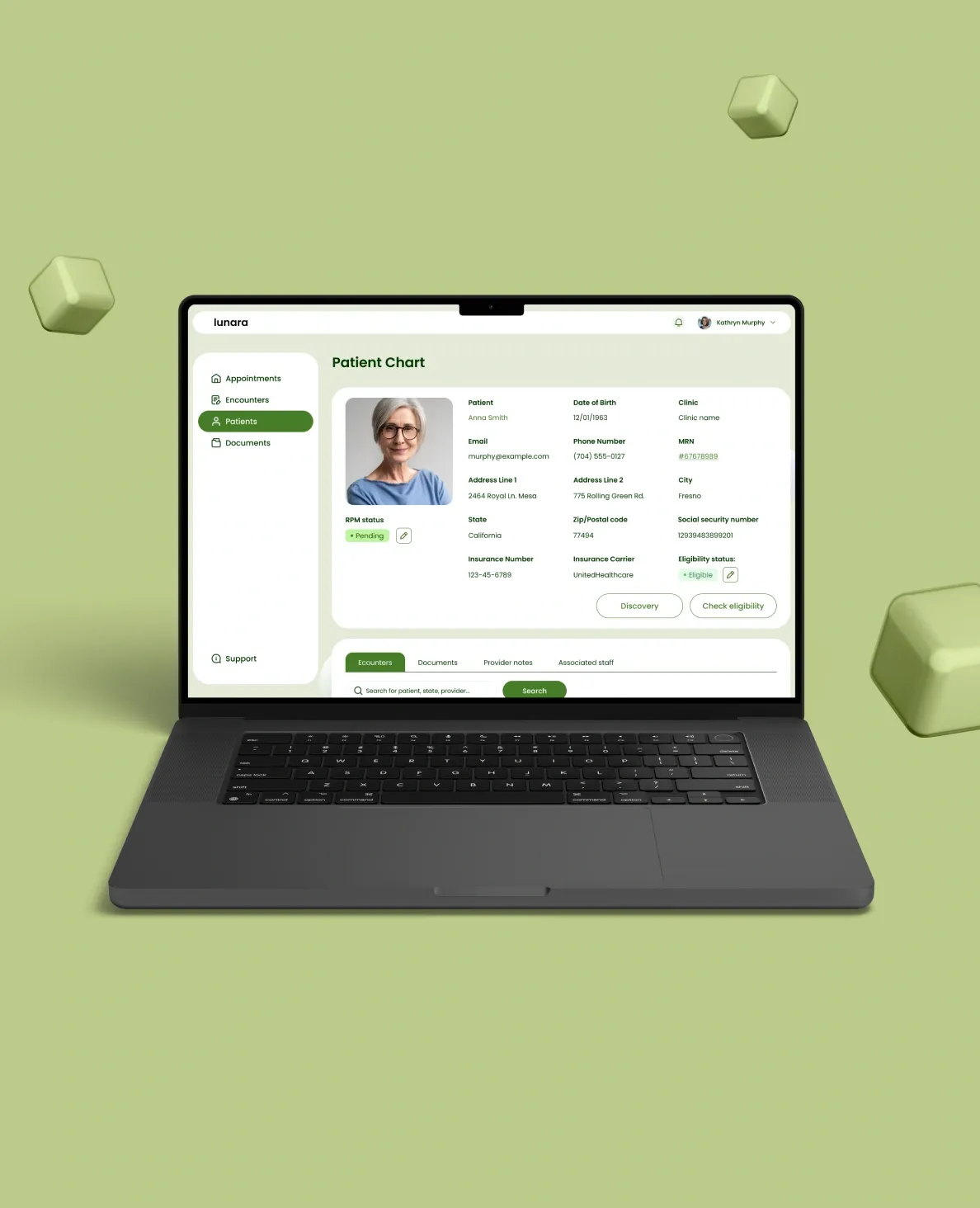
We developed an innovative medical practice platform designed to optimize chronic care management through comprehensive tools for remote patient monitoring (RPM). The platform integrates assessments to track cognitive health, provides automated patient journeys, and offers flexible integrations with systems like GenieMD and external referrals. Additionally, the system ensures HIPAA-compliant, secure SSO for patient and provider safety.


The Challenge
The challenge was to create an integrated solution for remote health monitoring that streamlines patient monitoring while maintaining high security and user-friendliness. We needed to design a system that would support remote patient monitoring telehealth capabilities, automate follow-up processes, and ensure that patients receive appropriate remote therapy monitoring and chronic care management software without compromising the quality of care.
Our Solutions
We created a comprehensive remote patient monitoring system with a range of features tailored to meet the needs of healthcare providers and patients. Key elements include role-based access for different user types (patients, providers, therapists, admins), an automated scheduling algorithm to optimize provider assignments, and remote patient monitoring software development that includes cognitive assessments. The system supports patient monitoring software integration and ensures seamless communication across different platforms.


Impact on Business
Improved Patient Monitoring
The platform significantly enhanced patient monitoring by streamlining the process of tracking chronic conditions and ensuring continuous remote patient monitoring for better patient outcomes.
Operational Efficiency
Automating follow-ups and referrals reduced administrative workload, improving the overall efficiency of healthcare providers and supporting the smooth management of chronic care.
Long-Term Patient Management
The ability to reassess patients and offer ongoing training led to better long-term patient management, helping healthcare providers stay on top of patient needs.
Enhanced Patient Satisfaction
Streamlined intake and assessment processes improved patient satisfaction while boosting provider productivity through reduced manual tasks and more efficient workflows.
Value That We Delivered
Our solution delivered a remote monitoring solution that allowed for efficient medical remote monitoring through automated assessments and follow-ups, while ensuring HIPAA-compliant security. We delivered a robust remote patient monitoring app and remote health monitoring software that enables better long-term care management for patients and easy integration into existing healthcare systems.

What’s Next?
We are continuously working on improving the platform by adding new features, such as advanced analytics and further integrations with remote health monitoring apps and third-party tools. As remote patient monitoring apps evolve, we aim to enhance the system to accommodate new medical technologies and keep pace with healthcare trends.
Looking to enhance your remote monitoring platform? We know how to create scalable solutions for your healthcare needs.
Get a quoteThe Technology Behind the Platform
Choosing the right technology, we stopped on such a tech stack:
Additionally, we used tools such as Gmail, Zoom, Slack, Google Spreadsheets, and compliance with HIPAA standards for patient data protection
Explore more case studies
AI-powered dermatology platform built to handle sensitive patient data securely
Handling sensitive patient images without data leakage
Ensuring HIPAA-compliant AI diagnostics
Fragmented dermatology workflows across tools
Slow diagnosis and long patient wait times
Secure image processing with encryption and audit trails
HIPAA-aligned architecture with governed AI models
Unified platform for end-to-end dermatology workflows
AI-assisted diagnostics to accelerate doctor decisions
- Secure, compliant AI diagnostics (HIPAA-aligned)
- End-to-end dermatology workflow in one platform
- 1.5x faster diagnosis & 1–2 minute review time
- Up to 4x reduction in patient wait times
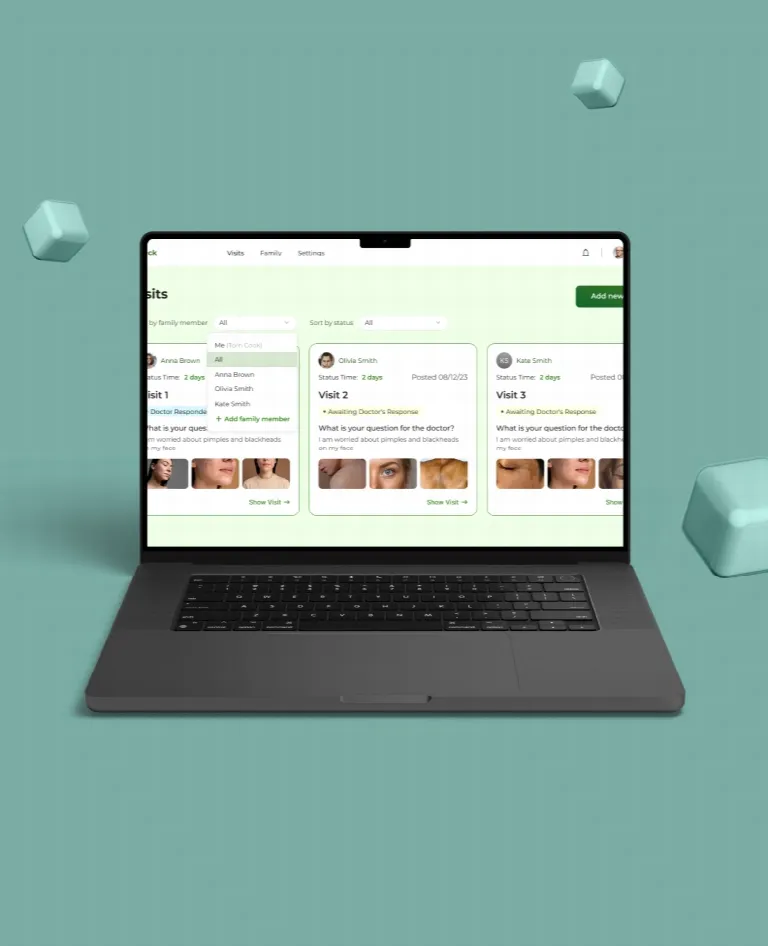
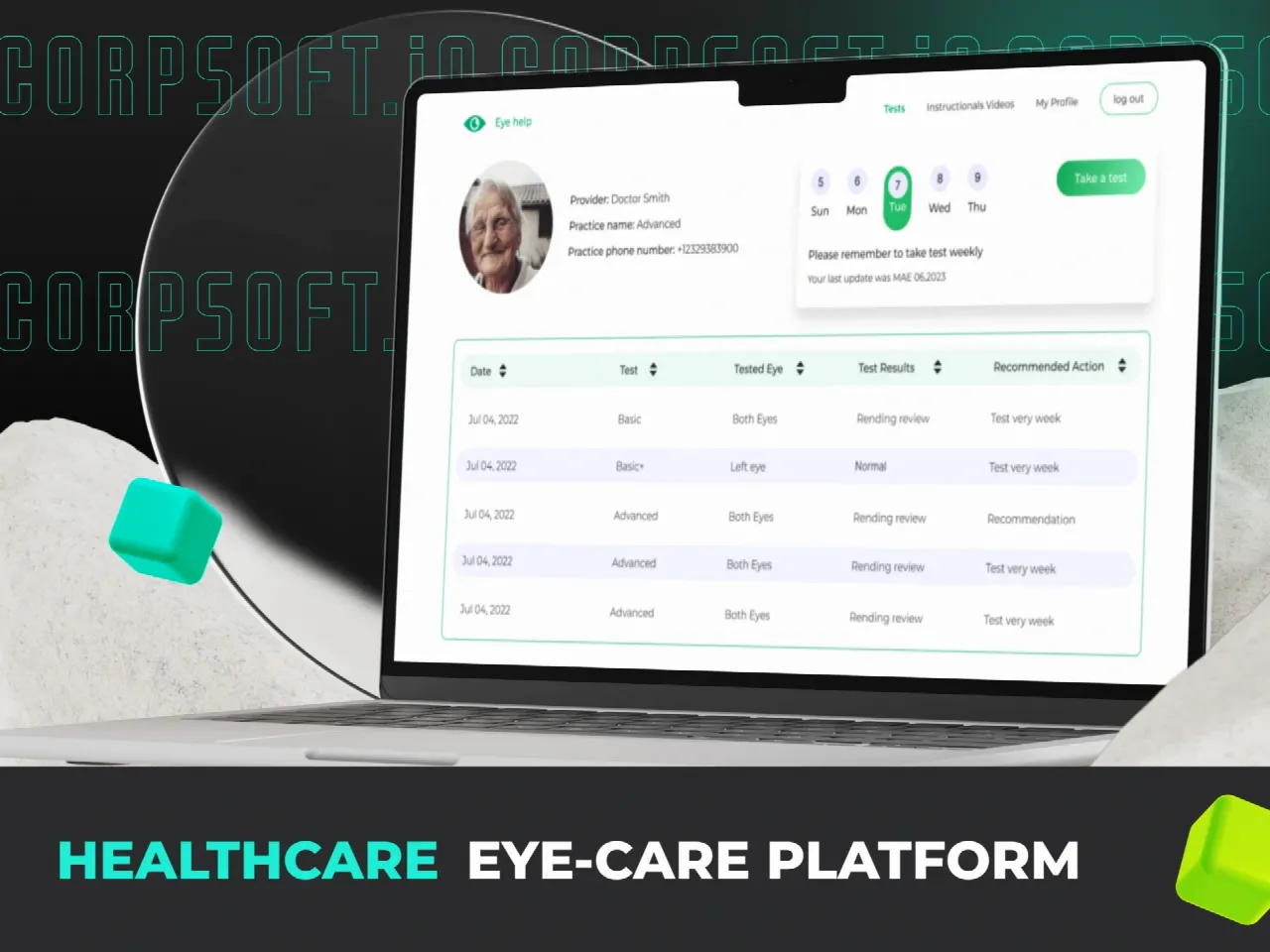
Remote vision testing platform scaled to 10,000+ users with HIPAA and SOC 2 readiness
Outgrown WordPress platform limiting new screening tests
Unreliable validity of remote vision test results
Meeting HIPAA requirements for patient data and access
Manual patient data transfer between clinics and EHRs
Migration from WordPress to a scalable custom stack
Updated test logic with result validation checks
Encrypted PHI storage with RBAC and audit logging
Optometry EHR integration with clinic management tools
- 40% fewer invalid vision test results
- Patient data synced with optometry EHR systems
- HIPAA-compliant data storage with role-based access
FAQ
RPM stands for remote patient monitoring, which allows healthcare providers to monitor patients’ health remotely using connected devices. It helps manage chronic conditions, improve outcomes, and reduce hospital visits by providing continuous monitoring outside traditional clinical settings.
Interoperability is the backbone of any effective RPM system. We established a standardized integration layer, utilizing industry protocols like HL7 or FHIR, and designing custom, secure APIs where necessary. The key was to decouple the core application logic from the specific device integrations. This way, if a client needs to onboard a new manufacturer’s device, we only need to write a small adapter for that particular device interface. The core platform remains unchanged, ensuring stability, security, and a future-proof architecture that can rapidly scale device support.
User-centric Design (UCD) is paramount in healthcare, where user populations range widely. Our remote patient monitoring platform for chronic care management is an example of this.
For patients, the app is intentionally streamlined with large, high-contrast text, minimal steps, and a focus on simple data entry and clear instructions. For providers, the dashboard is designed for high-density information display, prioritizing the most critical patient data (alerts and trends) and offering quick access to charting. We conduct usability testing with representatives from both user groups throughout the development cycle to ensure the final product is intuitive, minimizes the cognitive load, and drives successful adoption across the board.
The Corpsoft Solutions team prioritizes compliance requirements across all our custom healthcare software development projects. Our software engineers integrate compliance into every stage of development in accordance with the Security by Design practice. For platforms handling PHI, we strictly adhere to protocols such as HIPAA (for US clients) regarding data privacy and security. This involves implementing robust, industry-standard measures including end-to-end data encryption, strict access controls, detailed audit logs, and secure cloud infrastructure.
Furthermore, our development process includes continuous compliance reviews and specialized testing to ensure the platform not only meets the regulations on day one but remains compliant as technology and rules evolve.
Alert fatigue is a significant clinical risk we mitigate through sophisticated, customizable logic. Instead of generating an alert for every single data point outside the norm, we implemented a layered, rule-based system. With such an approach, clinicians can set thresholds and trending patterns that define a “critical” event, allowing the system to differentiate between a minor fluctuation and a genuine health risk. Furthermore, the platform utilizes smart filtering and priority settings, routing the most urgent alerts immediately, while aggregating non-critical data into scheduled summaries, thereby optimizing the care team’s focus and efficiency.
Ready to discuss your project with us?Not sure where to start?
Drop us a line about your project or challenge — we'll take it from there.
 Typical response time1 hour on business days